Selling or letting your property?
We offer instant online valuations or book an appointment for one of our expert team to visit and value your property.
Property Valuation
"*" indicates required fields

For many leaseholders, owning a flat is an exciting milestone. Whether it’s your first home, an investment property, or somewhere you plan to stay for years to come, you expect your building to be safe, well maintained, and professionally managed.
But what happens when that doesn’t happen?
At Ellis Winters, we regularly speak with leaseholders who feel frustrated, ignored, or simply exhausted by poor block and estate management. Problems that should be straightforward to resolve often drag on for months, communication becomes inconsistent, and service charges can feel unclear or difficult to justify.
To help explain what options are available, we sat down with Tom from our sister company, Love Your Estate, to talk about the most common concerns leaseholders face… and, importantly, what can actually be done about them.
While every building is different, most complaints tend to fall into three key areas.
This is by far one of the biggest issues.
Many leaseholders tell us they report maintenance problems or raise concerns, only to hear nothing back for weeks or sometimes months. Even when repairs are eventually carried out, the lack of updates leaves residents feeling ignored and powerless.
Good property management is about more than arranging contractors. It’s about communication, responsiveness, and making residents feel informed about what’s happening in their own building.
When communication breaks down, trust quickly follows.
Most leaseholders understand that costs rise over time. Insurance premiums increase, maintenance becomes more expensive, and buildings naturally require ongoing investment.
The frustration usually comes from not understanding where the money is going.
Vague budgets, unexplained increases, or a lack of transparency around spending can leave leaseholders questioning whether they are getting value for money. And when there’s little visibility or explanation, confidence in the management company can start to disappear.
From broken entry systems and damaged communal areas to more serious health and safety concerns, delays in maintenance are a major source of stress for residents.
Leaseholders want reassurance that their building is being properly looked after. When issues remain unresolved for long periods, it creates frustration… and in some cases, genuine concerns about safety and standards.
A well-managed block should feel organised, proactive, and cared for. Unfortunately, that isn’t always the reality.
The good news is that leaseholders are not powerless.
Depending on how your building is structured, there are several routes available if you feel management standards are falling short.
It may sound obvious, but the first step should always be to formally raise issues with either the freeholder or the managing agent.
Clear communication can sometimes resolve problems faster than expected, particularly if concerns are shared collectively by multiple residents. Keeping records of emails, requests, and timelines can also help build a clearer picture of recurring issues.
However, if problems continue and nothing improves, there may be stronger options available.
One of the most important rights available to leaseholders is something called Right to Manage, often shortened to RTM.
In simple terms, RTM gives leaseholders the legal right to take over the management of their building without needing to prove that the current management is failing.
That’s an important point.
You do not have to go through a lengthy legal battle or demonstrate negligence. If your building qualifies and enough leaseholders support the move, control can transfer from the freeholder to the leaseholders themselves.
This means residents can:
To proceed with RTM, at least 50% of leaseholders within the building usually need to participate.
For many residents, RTM provides an opportunity to create a more proactive, transparent, and accountable approach to management.
The process itself is relatively straightforward, but it does need to be handled carefully.
There are formal notices to serve, legal procedures to follow, and strict timelines that need to be met. Small mistakes (such as incorrect details on documentation) can cause delays.
Typically, the process takes around three to six months from start to finish.
Costs are generally considered reasonable and are usually shared between participating leaseholders, making it far more accessible than many people initially assume.
Because there are technical elements involved, most leaseholders choose to work with specialists who can guide them through the process and ensure everything is completed correctly.
In some buildings, leaseholders already have a Resident Management Company (RMC), meaning residents technically control the building but appoint a managing agent to oversee day-to-day operations.
If that managing agent is underperforming, switching to a new one is often much easier than people expect.
Most managing agents operate on a three-month notice period, and onboarding with a new agent usually follows a similar timeline.
A good managing agent should handle the majority of the transition process, including:
The goal should always be to make the transition smooth and stress-free for residents.
One thing we consistently hear from leaseholders is frustration with agents who are based miles away from the properties they manage.
Local knowledge makes a real difference.
At Love Your Estate, the focus is primarily on Cambridgeshire and surrounding areas. That means the team can visit sites quickly, build strong relationships with residents, and work closely with trusted local contractors.
It also means communication tends to be faster, more personal, and more accountable.
When managing agents are physically disconnected from the buildings they oversee, residents often feel like they are just another number. A local approach can completely change that experience.
Absolutely.
Many of the conversations we have begin with a single leaseholder who is simply tired of poor communication or unresolved problems.
You do not need to be a director or property expert to start asking questions and exploring your options.
Whether you want advice, support speaking with other leaseholders, guidance around RTM, or simply a clearer understanding of your rights, there are people who can help.
And often, one conversation is all it takes to start moving things in the right direction.
If you’re feeling frustrated with the management of your building or estate, you are certainly not alone.
But more importantly… you are not stuck.
Whether the goal is better communication, improved maintenance, greater transparency around costs, or full control through Right to Manage, there are practical and achievable steps available to leaseholders.
Sometimes, the hardest part is simply knowing where to start.
If you’d like to explore your options, Tom and the team at Love Your Estate are always happy to have a conversation and help you understand what’s possible.
To watch the Q&A video with business owners Matt Pyman from Ellis Winters and Tom Hookham of Love Your Estate, click here.
We offer instant online valuations or book an appointment for one of our expert team to visit and value your property.
"*" indicates required fields
We are available 7 days a week. Get in touch with us if you have a query and we would be happy to help.
"*" indicates required fields
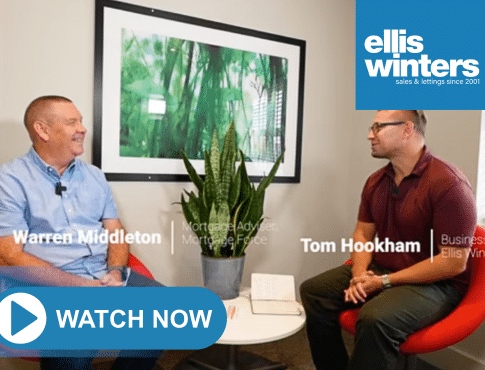
Whether you’re buying your first home, moving somewhere bigger, downsizing or simply wondering what you could afford, the mortgage ...
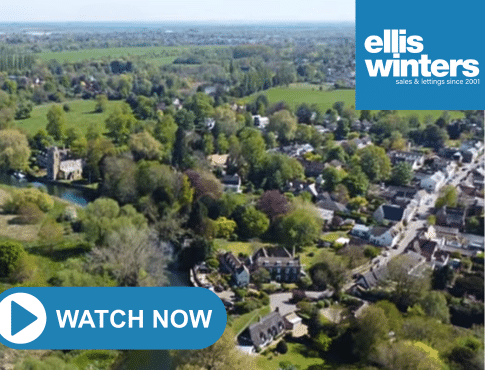
Could Autumn Bring a Fresh Burst of Activity? September often feels like a fresh start. The summer holidays come to an end,

The carpet has a stain. The walls are marked. The oven has seen better days. The tenant says it’s fair wear and